What Is Hyperbaric Oxygen Therapy (HBOT)?
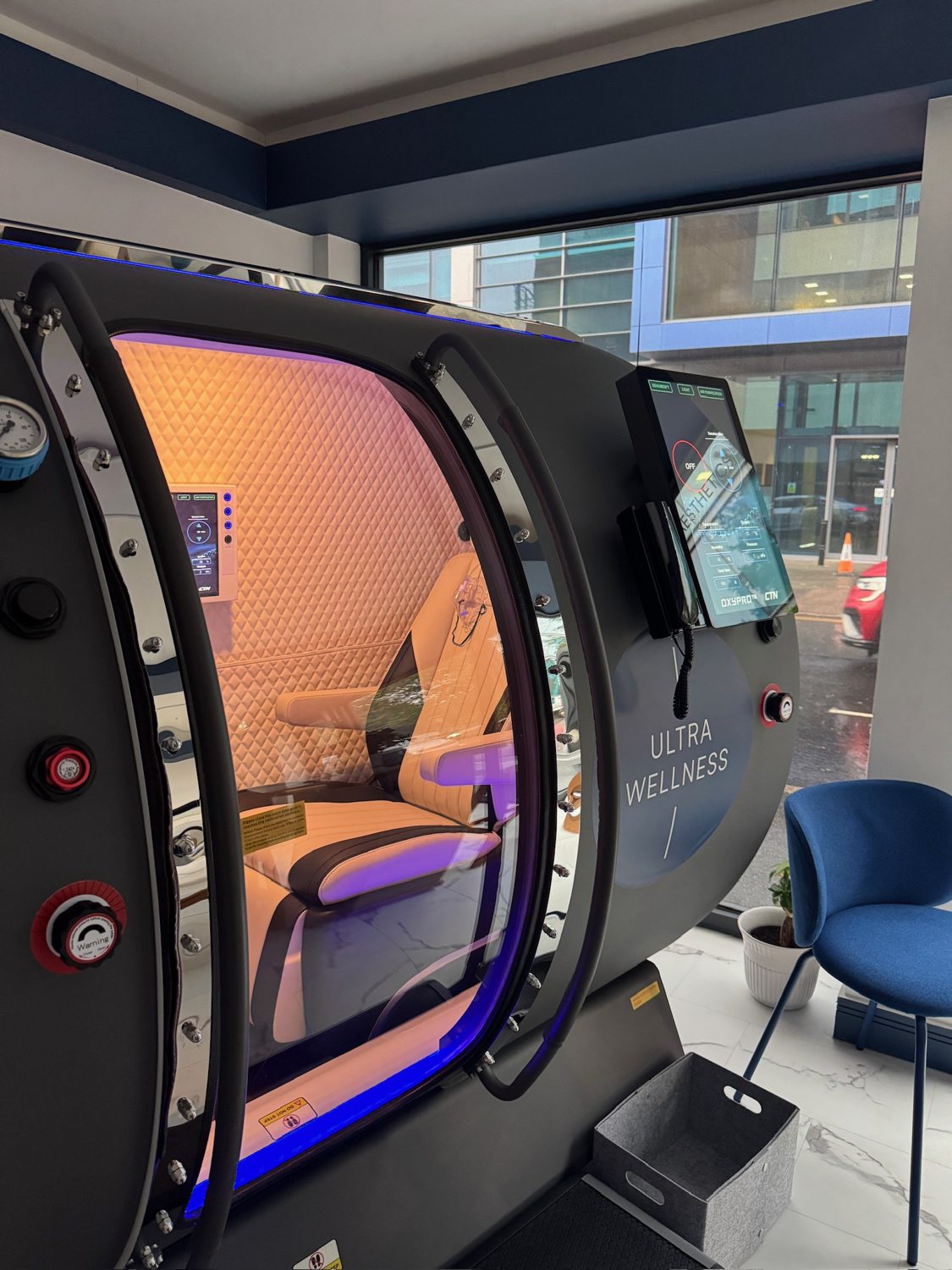
Hyperbaric Oxygen Therapy (HBOT) is often described as “oxygen under pressure” - but that simple phrase doesn’t fully explain why it’s used in medical, rehabilitation, and wellness settings worldwide.
HBOT works by changing how oxygen is delivered and used by the body, influencing healing, recovery, and cellular function in ways that normal breathing cannot.
This article explains what HBOT actually is, how it works, and why pressure matters.
What Is Hyperbaric Oxygen Therapy?
Hyperbaric Oxygen Therapy involves breathing high-concentration oxygen while inside a chamber that is pressurised above normal atmospheric pressure.
Under these conditions:
- More oxygen dissolves directly into the blood plasma
- Oxygen reaches tissues with limited blood flow
- Cellular oxygen availability increases significantly
This is the core difference between HBOT and simply breathing oxygen at normal pressure.
Why Pressure Changes Everything
At sea level, oxygen is primarily carried by red blood cells.
Under increased pressure:
- Oxygen dissolves directly into plasma
- Oxygen delivery becomes independent of red blood cells
- Tissues receive higher oxygen concentrations
This allows oxygen to reach:
- Injured or inflamed tissue
- Areas with reduced circulation
- Regions undergoing repair
Pressure is what turns oxygen into a therapeutic stimulus.
How HBOT Works at a Cellular Level
Increased oxygen availability can influence several biological processes:
- Energy production: Oxygen is required for efficient ATP generation
- Tissue repair: Oxygen supports collagen synthesis and wound healing
- Inflammation regulation: Oxygen influences immune and inflammatory signalling
- Angiogenesis: Oxygen supports the formation of new blood vessels
HBOT doesn’t force healing - it creates conditions that allow healing to occur more effectively.
Medical vs Wellness HBOT
HBOT has long been used in clinical settings for conditions such as:
- Radiation tissue injury
- Carbon monoxide poisoning
- Certain infections
In wellness settings, HBOT is commonly used to support:
- Recovery and resilience
- Post Operation healing
- Brain and cognitive health
- Fatigue management
- Training and performance support
The mechanism is the same - only the context and goals differ.
What HBOT Feels Like
A typical session involves:
- Relaxing inside a pressurised chamber
- Gradual pressure increase
- Breathing normally
- Mild ear pressure (similar to flying)
Sessions are calm, non-invasive, and usually last 30, 60 or 90 minutes.
When delivered properly and with appropriate screening, HBOT is considered safe for most individuals.
As with any pressure-based therapy:
- Screening is essential
- Pressure is increased gradually
- Sessions are monitored
HBOT:
- Is not a cure-all
- Does not replace medical treatment
- Does not override lifestyle factors
It works best as a supportive therapy, not a stand alone solution.
Final Thoughts
Hyperbaric Oxygen Therapy works by delivering oxygen where and when the body needs it most.
By combining oxygen with pressure, HBOT supports:
- Healing
- Recovery
- Cellular resilience
It’s not about adding something artificial - it’s about amplifying a process the body already depends on.
Book an HBOT session
Message us about what you are hoping to achieve and we will point you in the right direction.
Wed and Thu 09:00-19:00
Fri and Sat 09:00-16:00