Localised cryotherapy in Chelmsford.
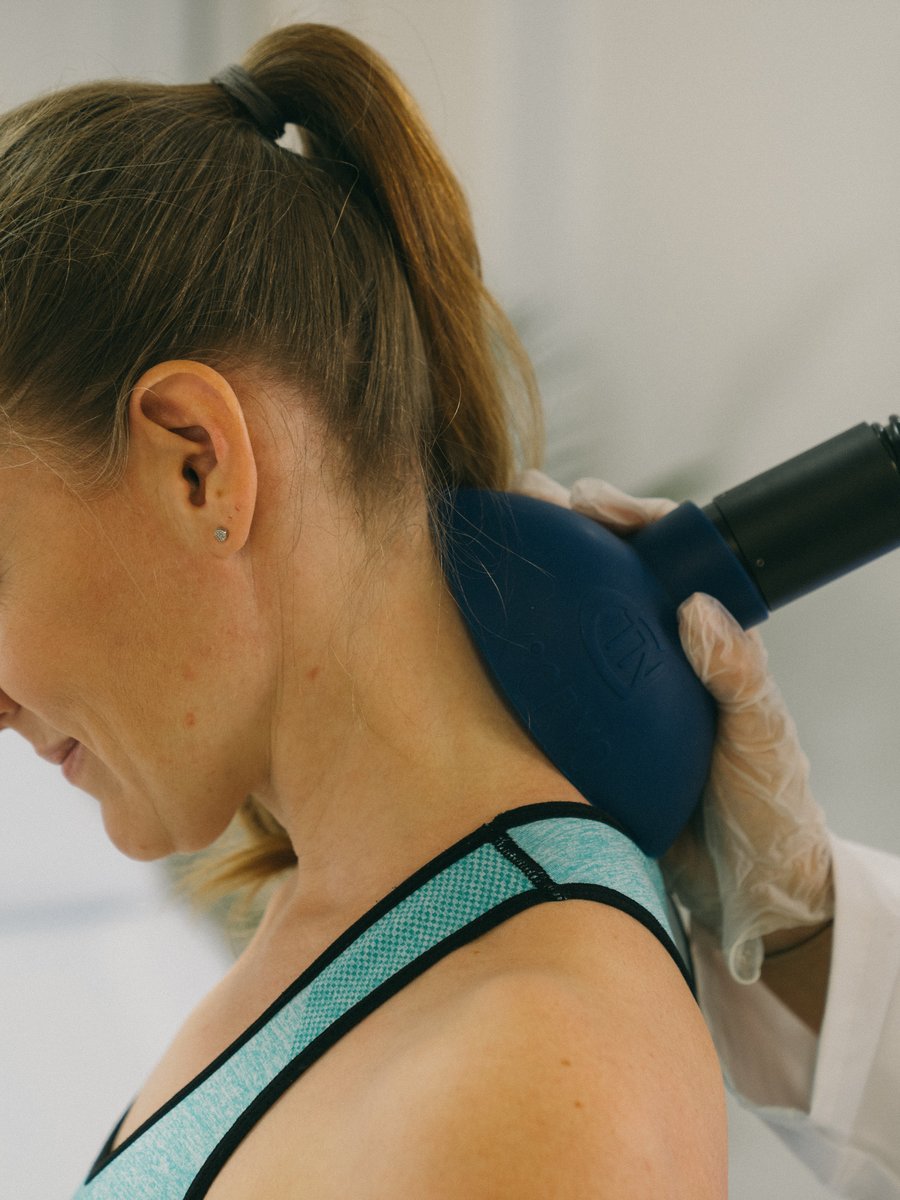
Localised cryotherapy sends a controlled stream of very cold air at the exact area you choose, such as a shoulder, knee or lower back, while your team monitors skin temperature throughout. Sessions take just minutes, there is nothing to hold or wear, and it fits neatly into a recovery plan.
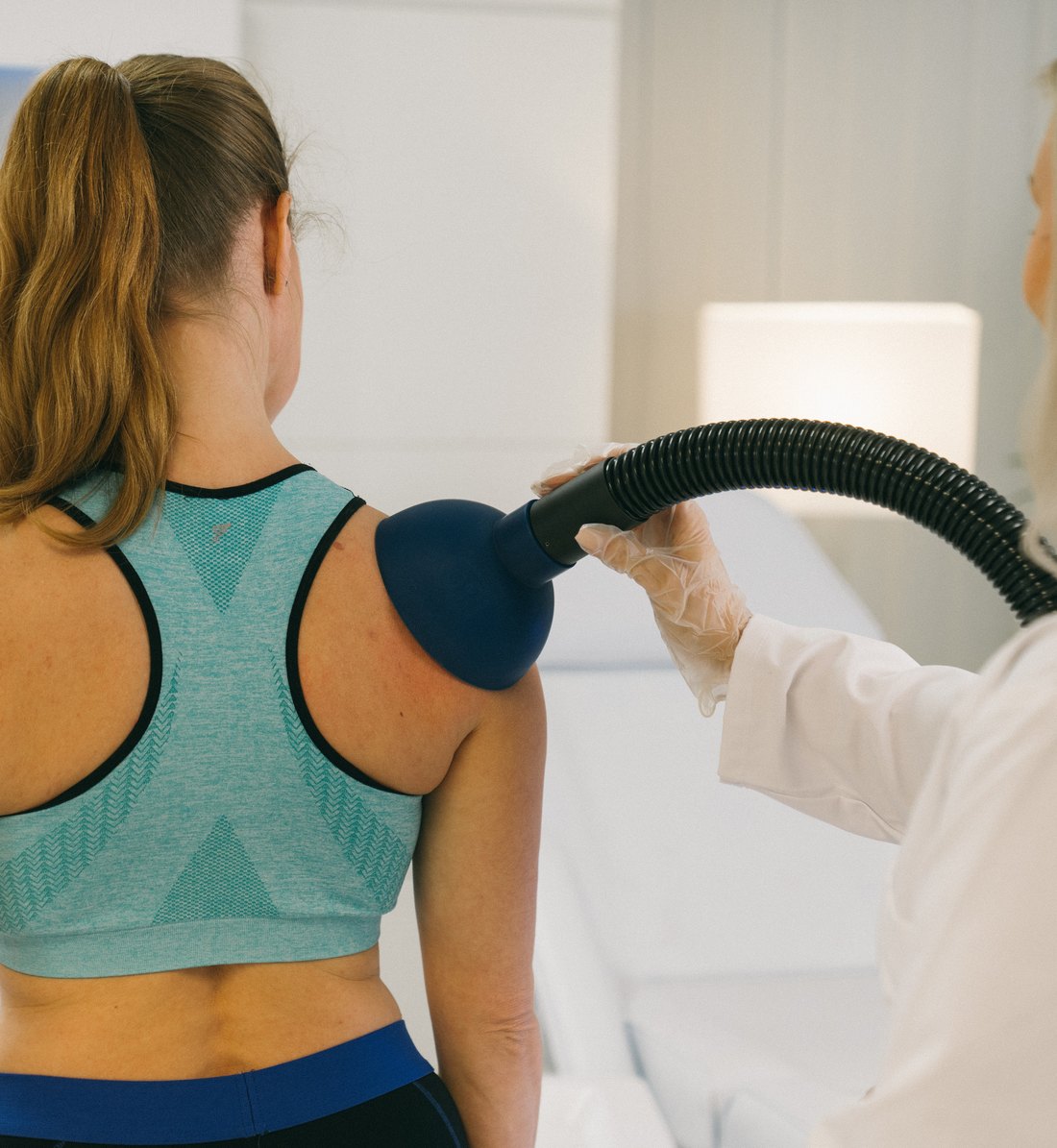
What injury treatment can do for you.
Swelling & inflammation
Cold is a familiar first response to a fresh strain, sprain or puffy, inflamed joint. Localised cryotherapy brings very cold air to the exact area, which may help ease the feeling of swelling and soreness.
Pain & soreness
Targeted cold can temporarily dull the feeling of pain in one spot. Many clients use it for short-term comfort, so they can move more easily between physio, rehab or training.
Joints & arthritis aches
If you live with stiff, aching joints, including arthritis-related aches, controlled cold on the affected area can bring short-term comfort. It is not a treatment for arthritis, so check with your GP.
Strains, sprains & sports injuries
Hamstring, shoulder, knee or ankle: we treat only the area that hurts, with skin temperature monitored throughout, rather than putting your whole body through a session.
What is local cryotherapy?
Local cryotherapy uses a controlled stream of very cold air aimed at a specific part of the body. A member of our team moves the nozzle over the area for a few minutes.
Because it is targeted, you stay dressed apart from the area being treated, and the session is short.
Designed to help you move more comfortably.
- ✓Dealing with a strain, sprain or sports injury
- ✓Swelling or puffiness around a joint
- ✓Ongoing inflammation or soreness in one area
- ✓Aching, stiff joints, including arthritis-related aches
- ✓Recovering between physio or rehab sessions
- ✓Wanting short-term comfort from a painful area
Not sure it's right for you?
Localised cryotherapy is not suitable for everyone, for example if you have certain circulation conditions or sensitive skin. See your GP first for a new or severe injury, ongoing joint pain or arthritis, and message us with any questions.
Chat on WhatsAppReal people, real recovery.
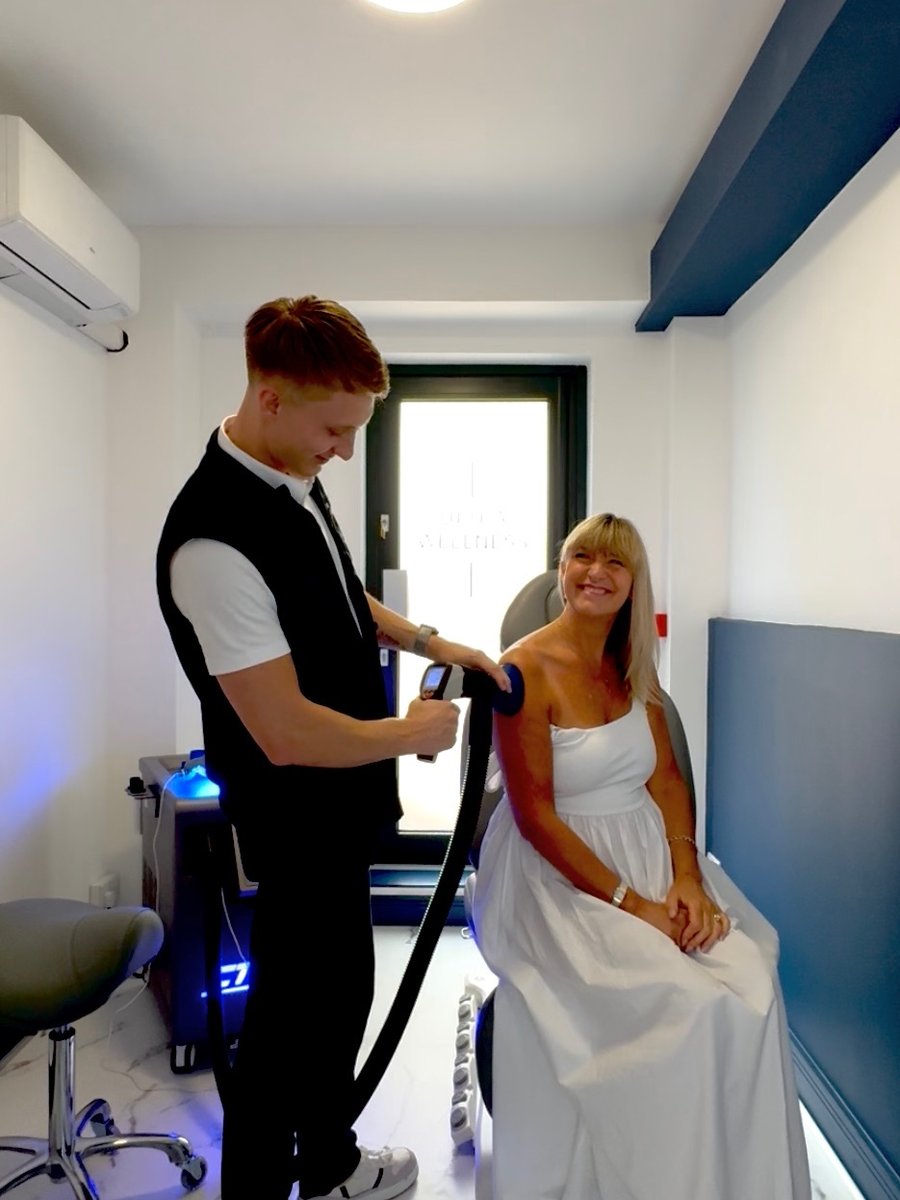
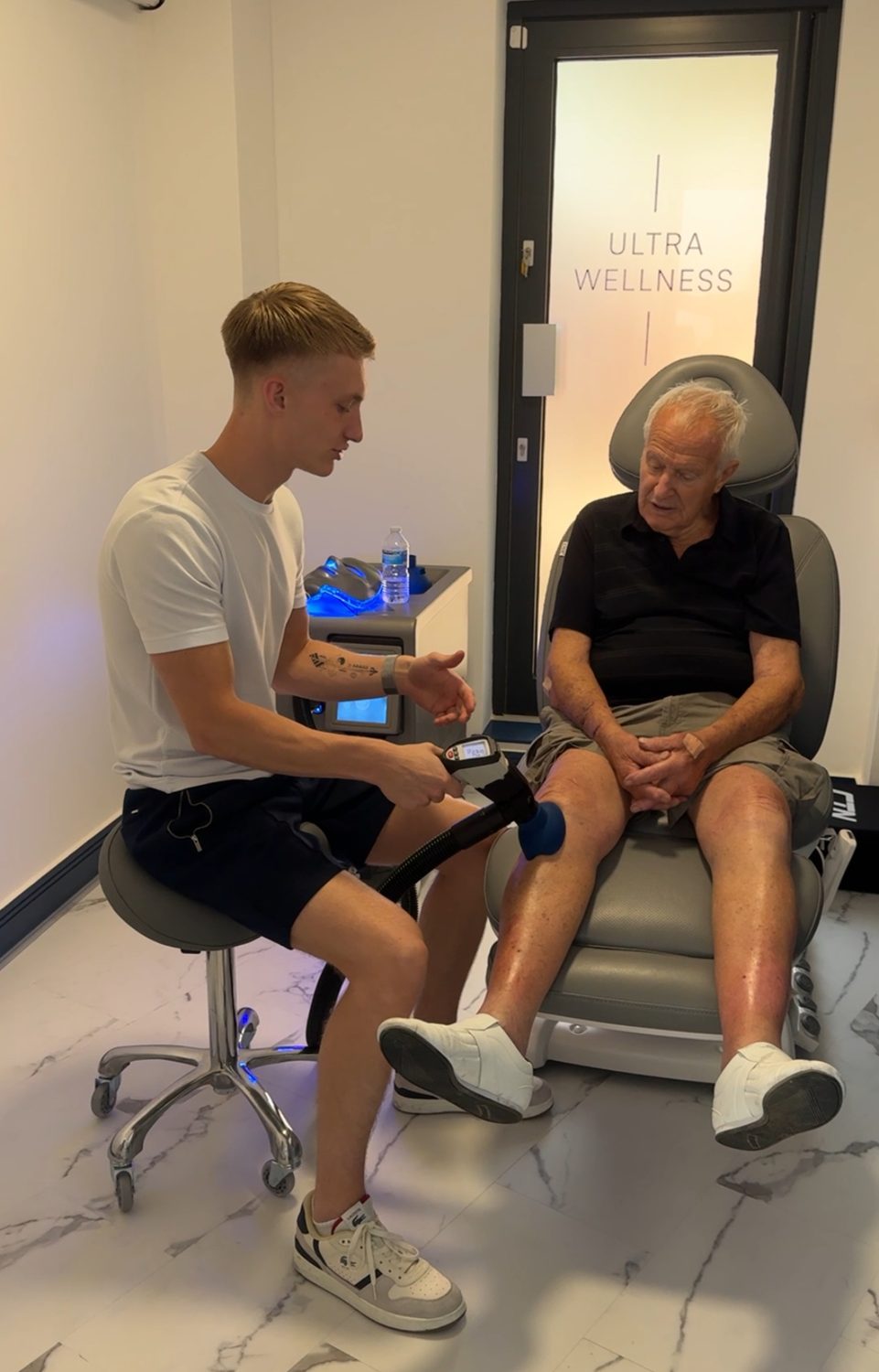
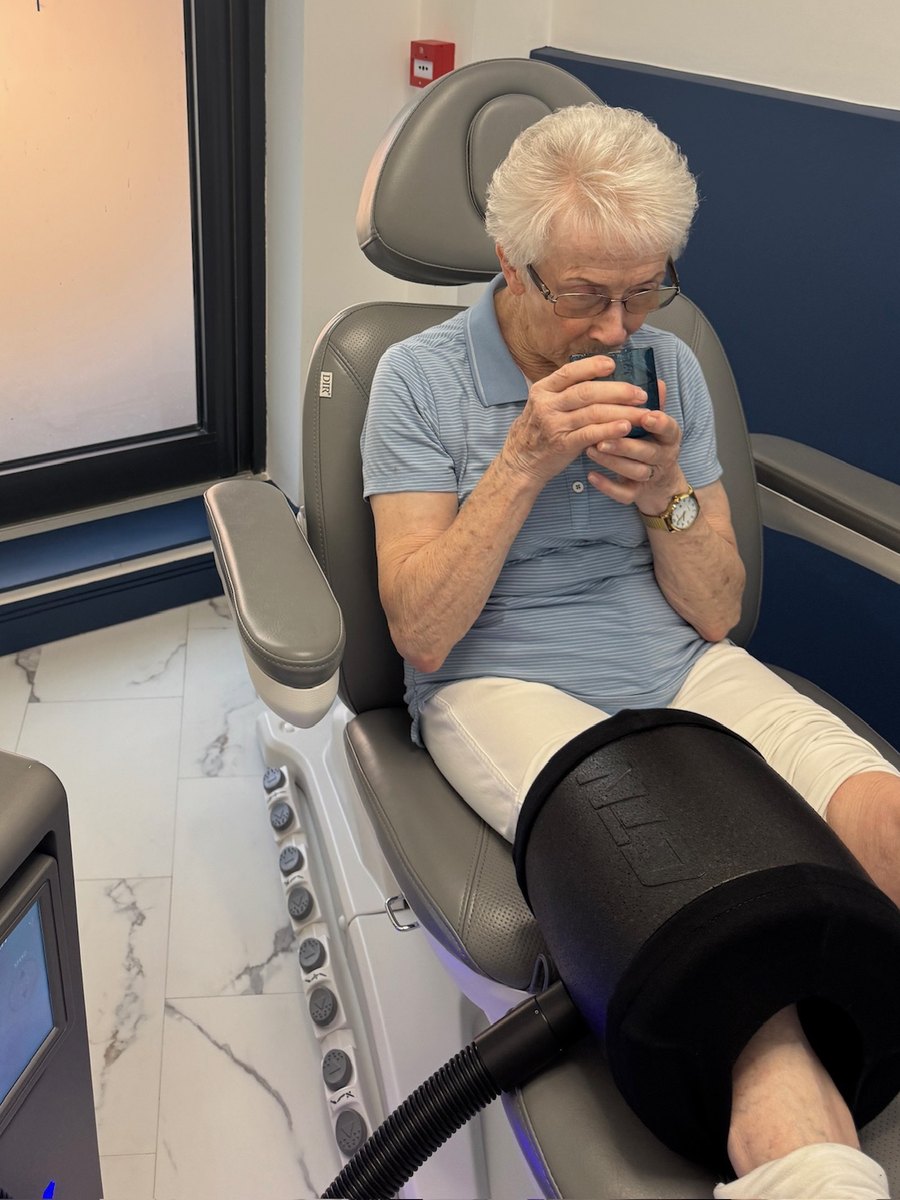
What the research says.
Local cryotherapy is widely used in sport and clinical rehab. Here is what published studies have found.
Local cryotherapy is not a substitute for medical treatment. Please speak to your doctor about any health condition.
Targeted pain relief
Local cold calms nerve activity and eases pain right where you need it. In a randomised trial of people with knee arthritis (Guillot et al., 2017), both ice and cold CO2 reduced pain over the following 24 hours, with no adverse events reported.
Swelling and inflammation
Cooling narrows blood vessels and slows the local inflammatory response. In the same trial, local cold reduced ultrasound-measured joint inflammation, and a later controlled study (Guillot et al., 2019) found local ice lowered inflammatory markers such as IL-6 and IL-1β in knee joint fluid.
Sprains and strains
Cold is a go-to for acute soft-tissue injuries. A systematic review of randomised trials (Bleakley et al., 2004) pointed to ice combined with exercise as the most effective approach after ankle sprain and surgery.
Tendon and joint injuries
Targeted cooling is widely used alongside rehab for sore tendons and joints, such as tennis and golfer's elbow. A review of the trials (Hubbard & Denegar, 2004) concluded that cryotherapy seems to be effective at decreasing pain.
Post-surgery recovery
In a randomised pilot trial after ACL reconstruction (Dambros et al., 2012), patients given 20-minute ice applications twice daily improved more in pain and knee movement than controls. A meta-analysis after knee replacement also reported early benefits, including less blood loss and better range of motion at discharge.
Knee osteoarthritis
A Cochrane review of trials in knee osteoarthritis (Brosseau et al., 2003) found that ice massage had a beneficial effect on range of motion, function and knee strength, with quadriceps strength up 29% in one included trial. Cold packs were also found to reduce swelling.
Rheumatoid arthritis
Local cold has long been used alongside physiotherapy in rheumatoid arthritis. In a randomised trial of 60 people with active RA (Hirvonen et al., 2006), pain decreased in every cryotherapy group, including local cold air at -30°C, with no serious or permanent adverse effects.
Sports injury recovery
Cold is a staple of sports recovery. A review of cold therapy in athletes (Banfi et al., 2010) reported higher anti-inflammatory IL-10 and lower inflammatory IL-2 and IL-8, with positive effects on muscle enzymes such as creatine kinase and lactate dehydrogenase.
In their own words.
5.0 from 86 Google reviews. Real client reviews, shown as written.
Single sessions and bundles.
The Pain Reliever: whole-body cryotherapy, then local cryotherapy, in one day.
See all packagesCombine it and save.
Simple from start to finish.
Quick chat
Tell us where you would like the session focused and any questions you have.
Get comfortable
Expose the area. We protect surrounding skin and explain what you will feel.
Cold air
A few minutes of cold air directed by our team. Tell us if you want to stop.
Carry on
No downtime. Head back to your day.
Good questions.
What's a session actually like?
We'll agree the area to be treated, then cold is applied to just that area for a short, supervised session. It's quick, you stay dressed apart from exposing the area, and you can go straight back to your day afterwards.
Does it hurt, or feel too cold?
It feels very cold on the skin, and most people find it intense but short-lived and tolerable. The area can feel tingly or numb for a little while. Tell your therapist straight away if you're uncomfortable and the session can be stopped.
What should I wear or bring?
Wear something loose that lets you easily expose the area being treated, for example shorts for a knee or a short-sleeved top for an elbow or shoulder. There's nothing else you need to bring.
How many sessions will I need?
Some people come for a single session, others book a package and come regularly. It depends on your goals and how you feel afterwards, and your therapist can talk it through with you. We don't promise any particular result.
Is local cryotherapy right for me?
It's a good fit for many people, but not everyone. It isn't suitable if you're pregnant, or have circulation problems, cold sensitivity or skin conditions in the area to be treated. You'll complete a consent form before your first session, and we recommend speaking to your doctor if you're unsure.
How much does it cost?
A single local cryotherapy session is £45. If you'd like to come regularly, a package of 6 sessions is £168, which works out at £28 per session.
Wed and Thu 09:00-19:00
Fri and Sat 09:00-16:00