How Cryotherapy Supports Recovery, Fat Loss & Inflammation
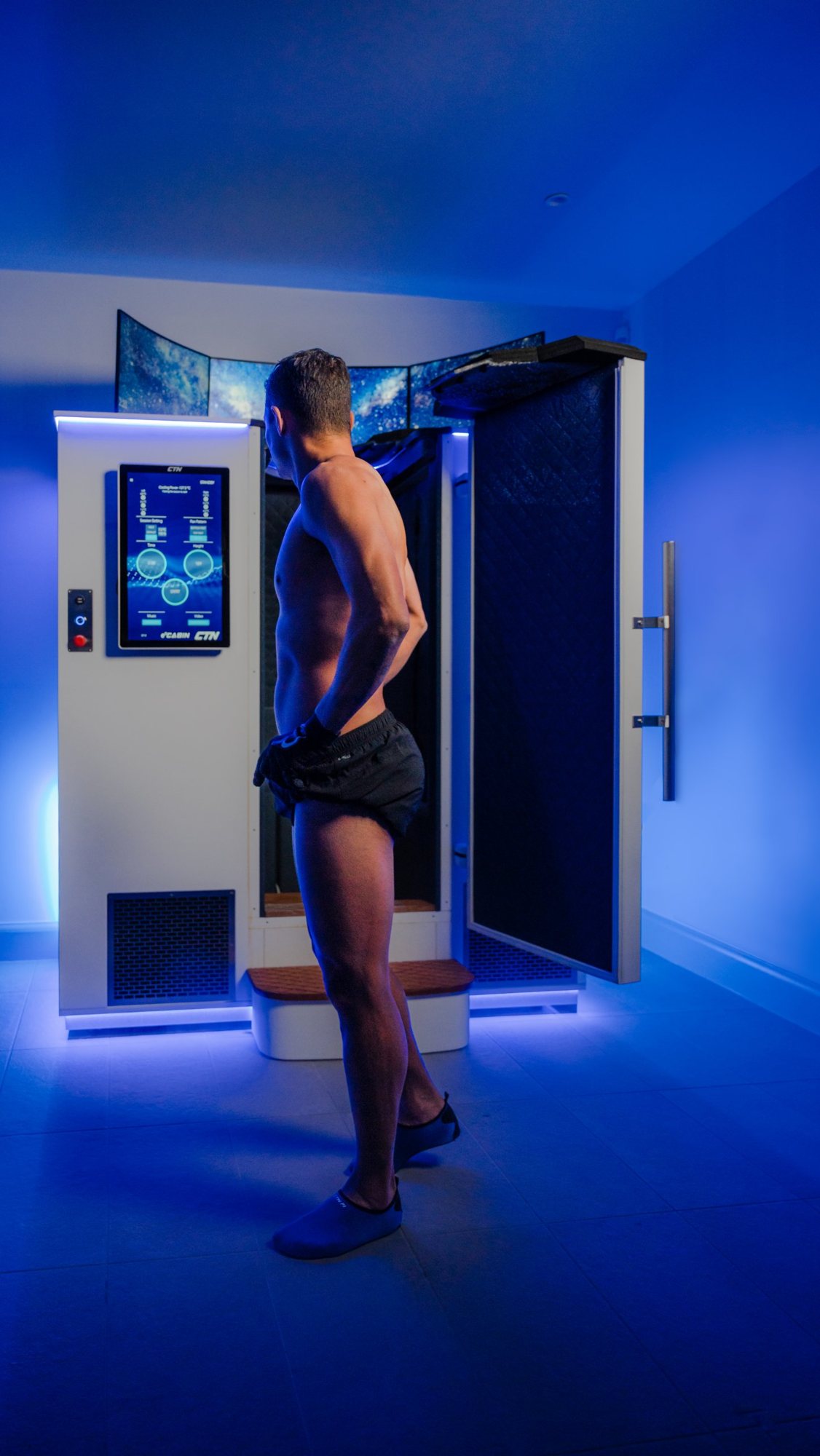
Cryotherapy is often marketed as a fast track to fat loss, pain relief, or rapid recovery.
The reality is more nuanced.
Cryotherapy doesn’t replace good training, nutrition, or sleep - but when used correctly, it can support the systems that make recovery, body composition, and inflammation management possible.
This article explains how cryotherapy actually works, where the benefits are strongest, and where expectations need to stay realistic.
Cryotherapy & Recovery: The Primary Benefit
Recovery is where cryotherapy shines most clearly.
How cold exposure supports recovery
Short-term exposure to extreme cold triggers several recovery-relevant responses:
- Reduced inflammatory signalling. Cold exposure has been shown to influence cytokines and inflammatory markers involved in muscle soreness and tissue stress.
- Temporary pain reduction. Cold reduces nerve conduction velocity, which can decrease pain perception in sore or overworked muscles.
- Improved circulation during rewarming. Following cold exposure, blood vessels dilate, increasing blood flow and nutrient delivery.
- Nervous system regulation. Whole body cryotherapy provides a strong neurological stimulus that can help “reset” the stress–recovery balance when used appropriately.
This is why cryotherapy is commonly used:
- After intense training
- During high physical workloads
- In periods of accumulated fatigue
Cryotherapy & Inflammation: What It Can (and Can’t) Do
Inflammation is often misunderstood.
Acute inflammation is part of healing. Chronic, unresolved inflammation is where problems arise.
Cryotherapy may help by:
- Temporarily reducing inflammatory signalling
- Supporting recovery from repeated stress
- Improving comfort and movement during healing phases
Cryotherapy does not:
- Eliminate inflammation permanently
- Fix underlying inflammatory diseases
- Replace lifestyle factors like sleep, nutrition, and stress management
Think of cryotherapy as a modulator, not a cure.
Used strategically, it can help prevent inflammation from becoming excessive or persistent.
Cryotherapy & Fat Loss: Clearing Up the Myths
Cryotherapy is often advertised as a fat-burning solution. That claim needs context.
What cryotherapy does not do:
- It does not burn large amounts of fat
- It does not directly cause fat loss
- It does not replace exercise or nutrition
Where cryotherapy can support fat loss:
- Improved recovery allows more consistent training
- Reduced inflammation supports metabolic health
- Increased energy and motivation can improve adherence
- Cold exposure may activate brown adipose tissue, more easily disposed of by the body
Fat loss happens through sustained behavioural and metabolic changes. Cryotherapy may support the process, not cause it.
Why Recovery Matters for Body Composition
Many people struggle with fat loss not because they aren’t trying hard enough - but because they’re under-recovering.
Chronic stress and poor recovery can:
- Disrupt hormone signalling
- Increase systemic inflammation
- Reduce training quality
- Drive fatigue and burnout
By supporting recovery, cryotherapy can help create a physiological environment more conducive to fat loss, without acting as a shortcut.
Who Benefits Most From Cryotherapy?
Cryotherapy tends to be most useful for:
- Athletes or highly active individuals
- People training multiple times per week
- Those in physically demanding jobs
- Individuals experiencing recovery bottlenecks
- Busy professionals under sustained stress
It is less impactful for:
- Sedentary individuals with no recovery demand
- Those expecting passive fat loss
- People unwilling to address sleep, nutrition, and stress
Whole Body vs Local Cryotherapy for These Goals
Whole body cryotherapy is better suited for:
- General recovery
- Fatigue management
- Systemic inflammation
- Energy and alertness support
Localised cryotherapy is more effective for:
- Joint or muscle pain
- Local inflammation
- Injury-adjacent recovery
Using the right tool for the right goal matters.
How to Use Cryotherapy Strategically
For best results:
- Use cryotherapy after high-stress or high-load days
- Avoid relying on it as a daily crutch
- Combine it with quality sleep, adequate protein and nutrition, sensible training volumes and stress management
Cryotherapy works best when it supports your system, not when it’s asked to fix it.
Final Thoughts
Cryotherapy is neither a gimmick nor a miracle.
Its real value lies in:
- Supporting recovery
- Modulating inflammation
- Helping people train and function more consistently
When used with realistic expectations and good fundamentals, cryotherapy can be a powerful recovery ally - not because it does everything, but because it helps your body do what it’s already designed to do.
Book a cryotherapy session
Message us about what you are hoping to achieve and we will point you in the right direction.
Wed and Thu 09:00-19:00
Fri and Sat 09:00-16:00