What Is Cryotherapy? Benefits, Risks & What to Expect
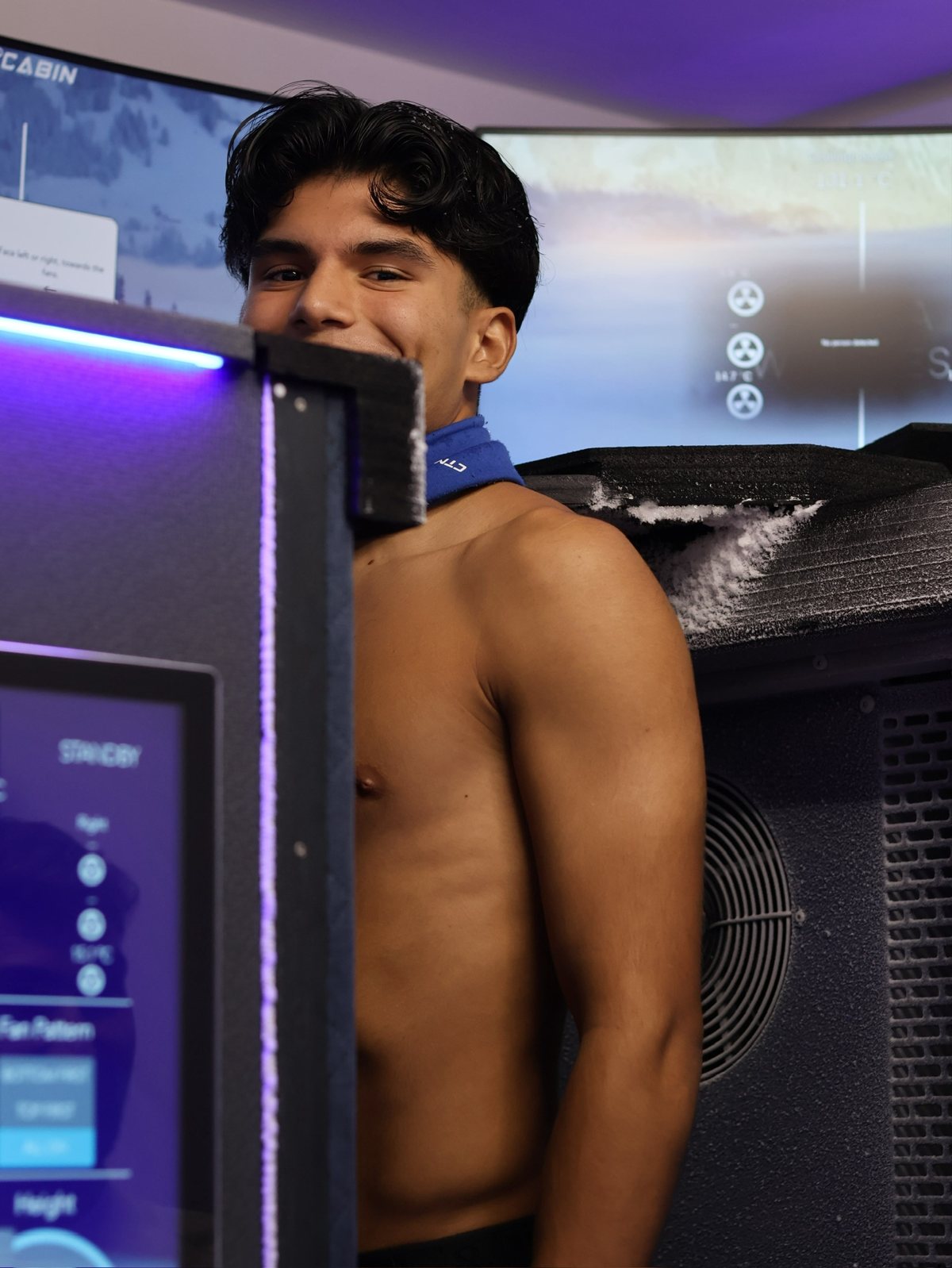
Cryotherapy has become increasingly popular in wellness, recovery, and performance settings - but it's also widely misunderstood.
Some see it as a trend. Others treat it like a miracle cure. The reality sits somewhere in between.
This article explains what cryotherapy actually is, how it works in the body, what the research suggests, who it's for (and who it isn't), and what you can realistically expect from a session.
No hype. No scare tactics. Just the facts.
What Is Cryotherapy?
Cryotherapy simply means cold therapy.
In modern wellness settings, it usually refers to controlled exposure to extremely cold temperatures for a short period of time, most commonly via:
- Whole Body Cryotherapy (WBC): standing in a cryotherapy chamber for 2-4 minutes
- Localised Cryotherapy: targeted cold applied to a specific area of the body
Unlike ice baths, cryotherapy uses cold air, not water, and sessions are brief and carefully controlled.
How Cryotherapy Works in the Body
Cryotherapy works by triggering a rapid physiological response to cold exposure.
When the body is exposed to extreme cold:
- Blood vessels constrict (vasoconstriction). This temporarily reduces blood flow to the skin and extremities.
- The nervous system is strongly stimulated. Cold exposure activates the sympathetic nervous system, increasing alertness and stress-response signalling.
- Inflammatory signalling is reduced. Short-term cold exposure has been shown to reduce certain inflammatory markers in the body.
- Rewarming causes vasodilation. After the session, blood vessels dilate again, increasing circulation and oxygen delivery.
- Endorphins and catecholamines are released. This helps explain why many people feel energised, uplifted, or mentally clear after a session.
Research has shown that short bouts of extreme cold can influence circulation, inflammation, pain perception, and nervous system activity when used appropriately.
Benefits of Cryotherapy
Cryotherapy is not a cure-all, but research and clinical use suggest it can support:
- 1. Recovery & muscle soreness. Studies have shown cryotherapy may help reduce delayed onset muscle soreness (DOMS) and perceived muscle fatigue when used post-exercise. This is why it's popular among athletes, active individuals and people with physically demanding jobs.
- 2. Inflammation management. Cold exposure has been linked to reductions in certain inflammatory markers, which may support joint comfort, recovery from training and general physical resilience.
- 3. Pain perception. Cold temporarily reduces nerve conduction velocity, which can reduce pain signals and provide short-term relief for sore or overworked areas.
- 4. Energy & mental clarity. Many users report increased alertness, improved mood and a post-session energy lift. This is likely due to nervous system stimulation and endorphin release.
- 5. Support during fat-loss phases. Cryotherapy can stimulate metabolic processes like thermogenesis and brown fat activation that can contribute toward calorie burning, as well as improving recovery between training sessions, reducing inflammation that interferes with metabolic health, and supporting energy levels during calorie deficits.
What Cryotherapy Does Not Do
It's important to separate science from marketing. Cryotherapy:
- Is not a replacement for exercise
- Does not magically remove fat
- Is not a complete cure for chronic disease
It works best as a supportive recovery and wellness tool, not a stand alone solution.
When delivered by trained professionals and used correctly, cryotherapy is considered safe for most healthy individuals. That said, it is not suitable for everyone.
People who should avoid cryotherapy or seek medical advice first include:
- Those with uncontrolled high blood pressure
- People with certain cardiovascular conditions
- Individuals with cold sensitivity disorders (e.g. Raynaud's)
- Pregnant individuals
- Anyone with nerve damage affecting temperature sensation
A reputable cryotherapy provider should always carry out proper screening before treatment.
What to Expect During a Cryotherapy Session
A typical whole-body cryotherapy session involves:
- Minimal clothing (usually dry socks, gloves, underwear)
- A session lasting 2-4 minutes
- Cold air temperatures far below freezing
- Continuous supervision throughout
Most people describe the experience as intense in a good way, surprisingly tolerable, and followed by a feeling of warmth, alertness, or calm. Localised cryotherapy feels very different: more targeted and often much less intense overall.
How Often Should You Use Cryotherapy?
Frequency depends on your goal:
- General wellness: 1 session per week keeps inflammation down, or 1 per month when a full body reset is needed
- Recovery for very high training load: 1-2 sessions per week
- Short-term recovery phases from injury or pain: more frequent use over limited periods
Cryotherapy works best when used consistently and strategically, not sporadically.
Cryotherapy vs Ice Baths: A Quick Note
While both use cold exposure, they are not the same. Cryotherapy is short, dry cold with strong nervous system stimulation. Ice baths mean longer exposure, cold water immersion and a different physiological stress profile. Each has its place, depending on the goal. Read Cryotherapy vs Ice Baths for more.
Final Thoughts: Is Cryotherapy Worth It?
Cryotherapy isn't magic - but it's also not a gimmick. When used correctly, it can support recovery, reduce inflammation, improve short-term energy and alertness, and help people train, work, and recover more effectively.
Like all wellness tools, its value depends on context, consistency, and realistic expectations. Cryotherapy works best as part of a broader recovery and health strategy, not as a shortcut.
Want to learn more? Explore related articles
Book a cryotherapy session
Message us about what you are hoping to achieve and we will point you in the right direction.
Wed and Thu 09:00-19:00
Fri and Sat 09:00-16:00