Whole Body vs Local Cryotherapy: Key Differences Explained
Cryotherapy isn’t one-size-fits-all.
While many people are familiar with whole body cryotherapy, fewer understand how localised cryotherapy works - or when one is more appropriate than the other.
This article breaks down the key differences, how each affects the body, and how to choose the right option based on your goals.
What Is Whole Body Cryotherapy?
Whole body cryotherapy (WBC) involves brief exposure of the body to extremely cold temperatures - typically for 2–4 minutes - inside a specialised cryotherapy chamber.
The goal is not to freeze tissue, but to trigger a system-wide physiological response.
Whole body cryotherapy primarily affects:
- The nervous system
- Circulation and blood flow
- Hormonal and inflammatory signalling
- Perceived energy and alertness
Because the exposure is short and intense, the body responds quickly and globally.
What Is Localised Cryotherapy?
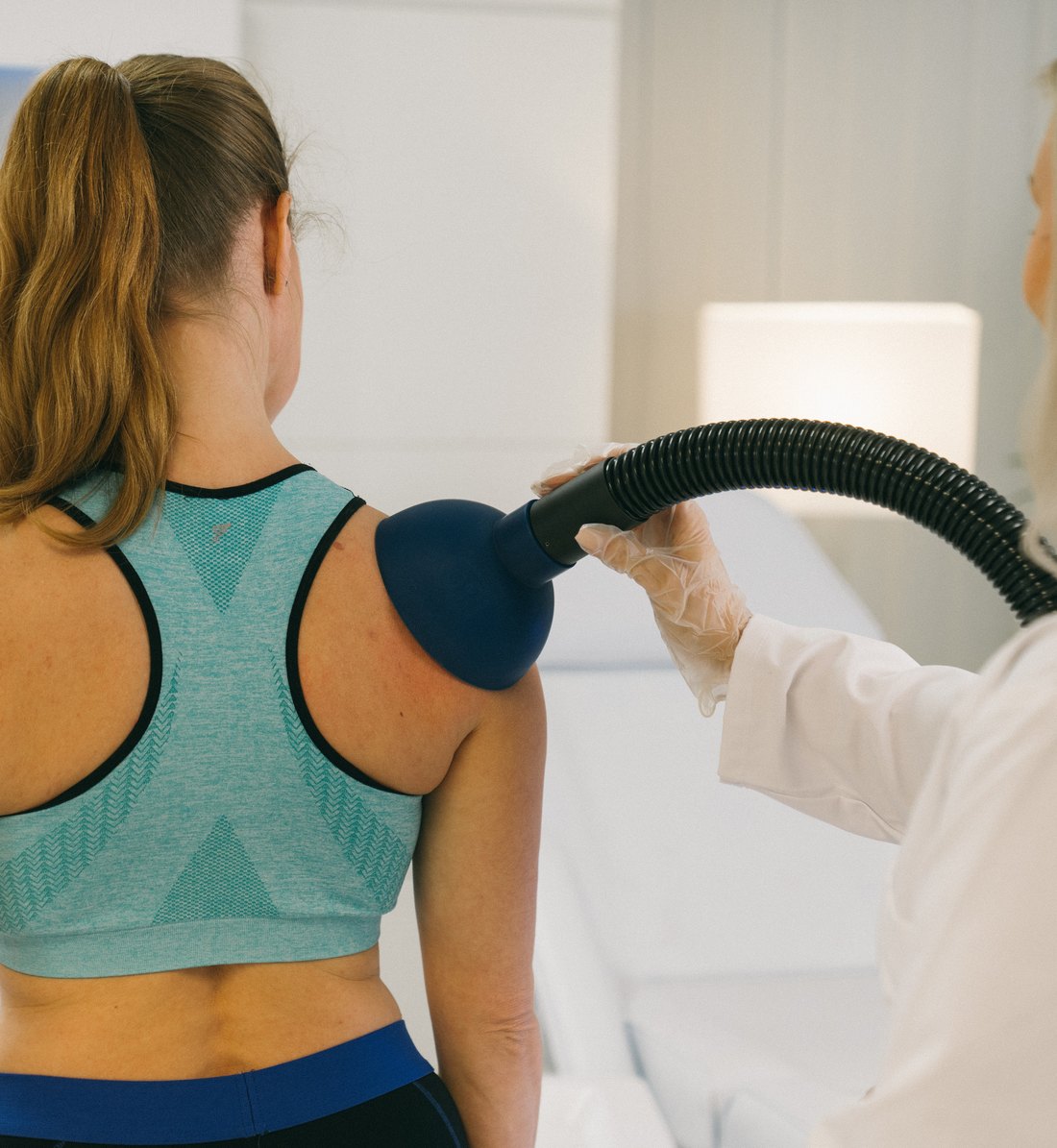
Localised cryotherapy delivers extreme cold to a specific area of the body using a handheld device.
Instead of stimulating the whole system, it targets:
- A joint
- A muscle group
- A tendon or ligament
- A painful or inflamed area
The aim is to reduce local inflammation and pain, without significantly stressing the entire nervous system.
The Key Physiological Differences
1. Systemic vs Targeted Response
Whole Body Cryotherapy
- Triggers a full-body nervous system response
- Influences circulation and inflammation throughout the body
- Often affects mood, alertness, and energy
Localised Cryotherapy
- Acts on a specific tissue or joint
- Minimal systemic stress
- Limited impact on overall energy or mood
2. Inflammation & Pain Relief
Both forms can support inflammation management - but in different ways.
Whole body cryotherapy may help reduce overall inflammatory signalling, which can support:
- General recovery
- Full-body soreness
- Systemic fatigue
Localised cryotherapy is more effective when:
- Pain is isolated
- A specific joint or muscle is irritated
- You want relief without full-body exposure
3. Recovery Use Cases
Whole body cryotherapy is often used for:
- Post-training recovery
- High physical or mental workload
- Fatigue management
- Energy and focus support
Localised cryotherapy is often used for:
- Joint discomfort
- Muscle strains
- Tendon irritation
- Targeted recovery support
Which One Is Better?
Neither is “better” - they simply serve different purposes.
The right choice depends on:
- Your recovery needs
- Your tolerance to cold
- Whether your issue is systemic or local
- Your current stress load
In many cases, both are used strategically at different times.
Can You Combine Whole Body and Local Cryotherapy?
Yes - and this is often where results are optimised.
For example:
- Whole body cryotherapy to support overall recovery and nervous system regulation
- Localised cryotherapy to target a specific problem area
Used together (but not necessarily in the same session), they can provide complementary benefits.
What About Safety?
Both forms are generally considered safe when:
- Delivered by trained professionals
- Used at appropriate durations
- Proper screening is carried out
Localised cryotherapy may be preferable for individuals who:
- Are new to cold exposure
- Have cardiovascular considerations
- Prefer a more gentle introduction to cold therapy
How to Choose the Right Option
Ask yourself:
- Do I feel generally fatigued or inflamed? → Whole body may be more appropriate
- Is my issue isolated to one area? → Localised may be more effective
- Do I want energy and alertness? → Whole body
- Do I want targeted relief without systemic stress? → Localised
A good provider will help guide this decision rather than pushing one approach for everyone.
Final Thoughts
Whole body and local cryotherapy are tools, not treatments.
When used appropriately:
- Whole body cryotherapy supports system-wide recovery and resilience
- Localised cryotherapy supports targeted pain and inflammation management
Understanding the difference allows you to use cryotherapy intentionally, rather than guessing.
Book a cryotherapy session
Message us about what you are hoping to achieve and we will point you in the right direction.
Wed and Thu 09:00-19:00
Fri and Sat 09:00-16:00